Hobbies That Boost Wellness, Purpose and Connection
Many seniors who want to stay independent and engaged run into the same active ageing challenges: days can feel repetitive, energy can dip, and social connection for seniors can shrink as routines change. Even with supportive family or neighbours, it’s easy to feel left out of the flow of everyday life. Accessible hobbies for seniors offer a simple way to rebuild momentum, giving the week something to look forward to and a natural reason to be around other people. With the right fit, a hobby can strengthen mental and physical wellness.
How Hobbies Strengthen Wellness and Belonging
At its core, a hobby is more than “something to do.” It is a repeatable activity that can lift mood, keep the brain active, and bring back a sense of purpose through small wins and steady progress. It also creates built-in moments to connect, because shared interests make conversation and companionship feel natural.
This matters because well-being in later life is closely tied to meaning and connection, not just medical care. Research finds people aged 65 and older who have hobbies report higher levels of health, happiness, and life satisfaction. A good hobby can also widen your social circle without forcing “social time.”
Think of a hobby like a weekly anchor. A morning garden check, a photo walk, or a beginner class gives the day shape, plus a reason to swap tips with others. Over time, those casual exchanges can become friendships.
Small hobbies do more than fill time; they can lift mood, keep your brain engaged, and create natural “reasons to gather,” which is often what builds belonging.
8 Easy Hobbies You Can Start Online—or With Friends
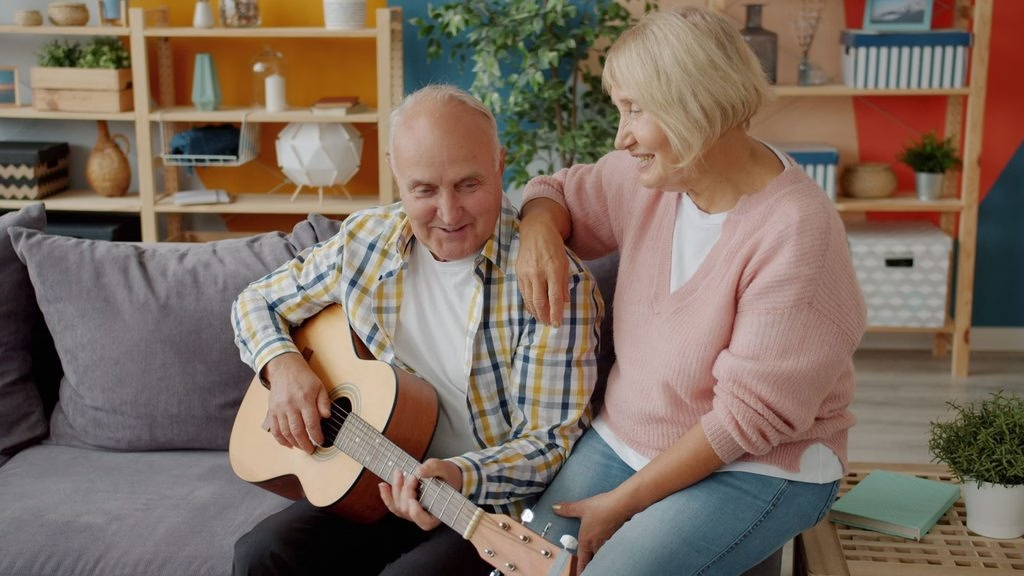
- Learn one simple instrument pattern: Choose a beginner-friendly instrument you can play seated (keyboard, ukulele, hand drum, harmonica) and commit to 10 minutes a day for two weeks. Start with one chord change or one rhythm pattern, then repeat it until it feels automatic. Invite a friend or grandchild to a short weekly “mini-concert” on a video call; performance isn’t the point; shared progress is.
- Try “painting in smalls” (low-mess, low-pressure): Set out a small pad or canvas panels and do 15–20 minute sketches or colour studies rather than big projects. Pick a simple theme, flowers, sunsets, or household objects, so you don’t lose time deciding what to paint. A monthly “show and tell” with a neighbour group or family chat gives your practice a gentle purpose without turning it into homework.
- Start language learning for seniors with a conversation goal: Pick one practical goal like “order a meal,” “greet a neighbour,” or “talk about hobbies,” then learn 10 useful phrases connected to it. Practice out loud while walking around the house, and schedule one weekly conversation with a partner (a friend, a community member, or an online exchange). This kind of steady learning supports brain health, and consistently doing activities like this is linked to fewer cognitive diseases linked to aging through learning new hobbies.
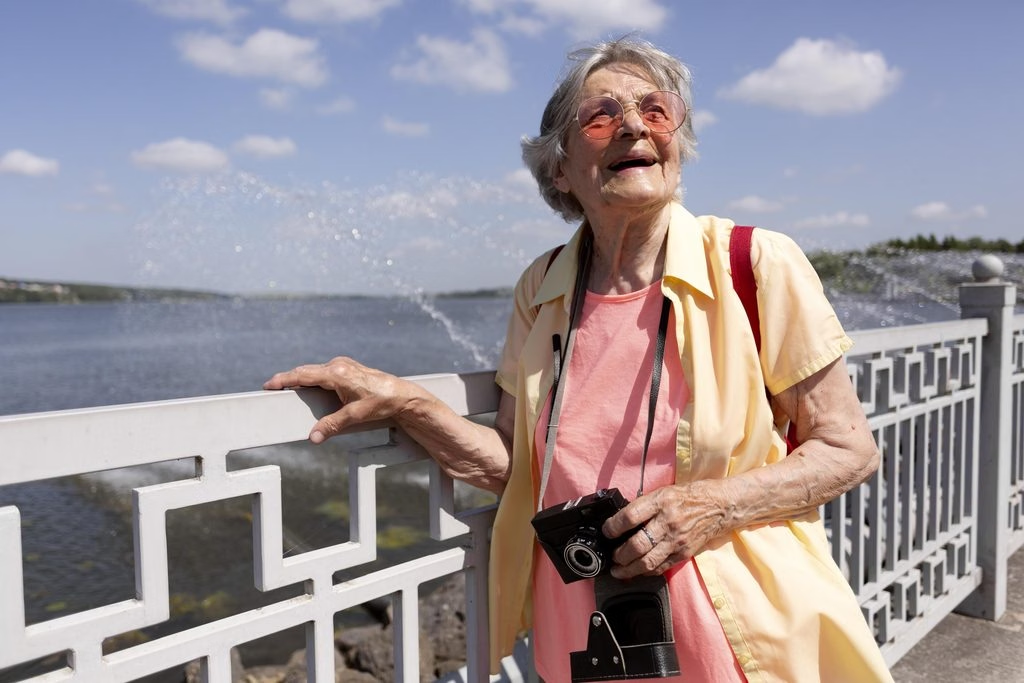
- Do photography with friends using a weekly prompt: Keep it simple: one walk, one theme, five photos. Themes can be “something blue,” “signs of spring,” or “hands at work.” Swap favourites with a friend and tell the short story behind each shot, this turns a solo walk into a shared experience, which is where connection often grows.
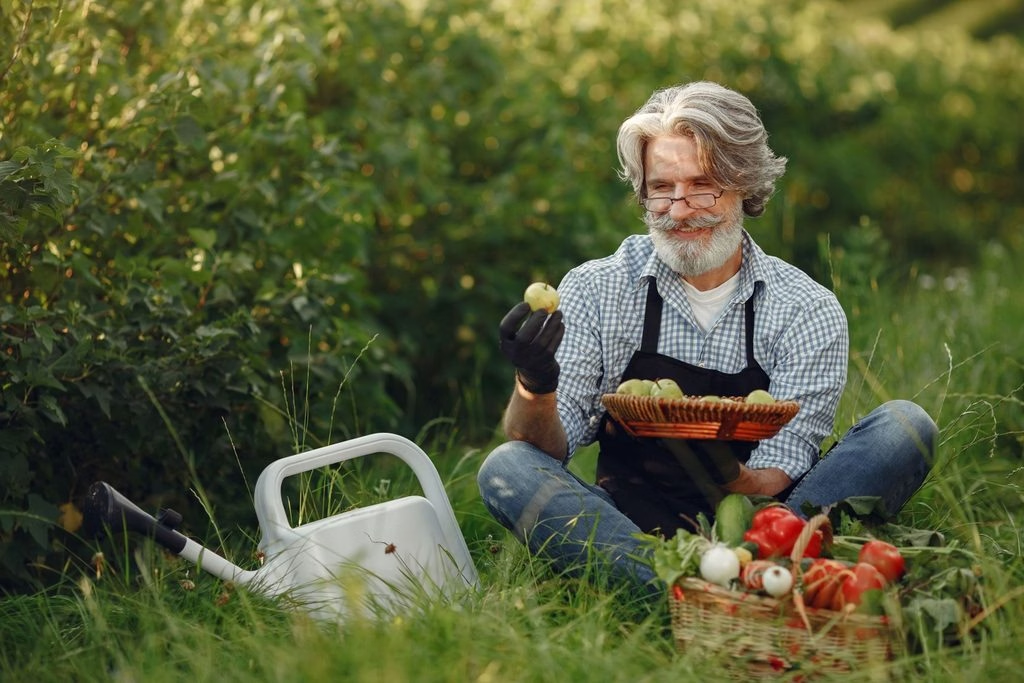
- Get gardening benefits from containers or a windowsill: If bending is tough, start with containers at waist height or a sunny window box. Choose one “win fast” plant (herbs, lettuce, or flowers) and one “patience plant” (tomatoes or peppers), so you get both quick rewards and longer-term purpose. Sharing cuttings or extra herbs with neighbours is an easy, natural way to start conversations.
- Use gentle yoga for seniors to support balance and calm: Begin with 10 minutes, 3 times per week, focusing on chair-based poses, controlled breathing, and slow transitions. Keep a sturdy chair nearby and stop before pain; this is about comfort and confidence, not pushing limits. If you can, join a small class online or in your community so the routine comes with familiar faces.
- Join a book-and-tea micro-club (even with audiobooks): Pick short reads, essays, mysteries, or biographies, and meet for 30 minutes every two weeks. One helpful structure: each person shares one quote, one question, and one “this reminds me of…” story. Hobbies that create regular enjoyment and connection are linked to higher levels of happiness in adults 65 and over.
- Try a “skill-swap afternoon” with friends: Each person brings a teachable mini-skill, basic phone photo editing, simple bread baking, mending a button, or a new card game. Keep it to 60–90 minutes and end by choosing one small practice goal for the week. This builds purpose through learning while also making social time feel easy and structured.
Habits That Turn Hobbies Into Lasting Connection
Hobbies help most when they become predictable and shareable, not perfect. These habits make it easier to keep showing up, build wellness through regular hobbies, and create steady points of connection over time.
Set a Two-Block Hobby Week
- What it is: Schedule one “joy” hobby and one “meaning” hobby on your calendar.
- How often: Weekly, planned every Sunday.
- Why it helps: It balances fun and purpose, so motivation lasts longer.
Use the Physical-Mental-Social Check
- What it is: Rotate activities using physical, mental, and social habits as your weekly guide.
- How often: Weekly, choose one from each category.
- Why it helps: Variety supports mood, learning, and belonging.
Pair a Hobby With a Cue
- What it is: Link your hobby to an existing routine like tea time or after breakfast.
- How often: Daily or three times weekly.
- Why it helps: Cues reduce decision fatigue and increase follow-through.
Share One Small “Proof of Progress”
- What it is: Send a photo, voice note, or short update to one person.
- How often: Once weekly.
- Why it helps: Sharing creates accountability and invites conversation.
Host a 30-Minute Skill Share
- What it is: Teach one tiny skill and learn one back, like baking basics.
- How often: Monthly.
- Why it helps: A hands-on activity can build confidence and community.
Common Questions About Starting Senior Hobbies
Q: What are some easy hobbies seniors can start online that help improve mental and physical wellness?
A: Try chair yoga or gentle stretching videos, beginner dance lessons, or guided walking plans you can follow at home. For mental wellness, start a daily photo-a-day challenge, simple drawing tutorials, or a beginner language practice. Keep costs low by using free classes from libraries and community centres, and choose options with captions or slower pacing.
Q: How can joining hobby groups or classes with friends enhance a senior’s social connections and sense of purpose?
A: Sharing a hobby gives you regular conversation topics and a reason to show up, even when motivation dips. Research on ICT use found it can positively affect social support and contentedness, so online groups can still feel meaningful. Start with a small “buddy plan” like meeting weekly and each bringing one question or tip to share.
Q: What hobbies are particularly good for relieving feelings of stress or uncertainty in later life?
A: Repetitive, hands-on hobbies like knitting, puzzles, watercolour washes, or gardening in pots can calm the nervous system and create a sense of control. Nature-based activities like bird watching or short walks also help when your mind feels crowded. Pick one that has a clear next step so you never wonder what to do first.
Q: How can seniors find motivation and maintain a routine when trying new activities?
A: Make the first goal tiny, like 10 minutes, and tie it to an existing part of your day such as after breakfast. Track progress with a simple checklist or a weekly photo to remind yourself you are moving forward. If energy is low, commit to “showing up” rather than finishing, since consistency builds confidence.
Q: If I want to explore completely new skills or pathways beyond hobbies, what options do I have for structured learning or growth?
A: Look for short courses, certificate programs, or community education that offer clear milestones, supportive feedback, and flexible pacing. Choose a format that matches your needs, such as live classes for accountability or self-paced lessons for mobility and scheduling ease. Compare programs by upfront cost, weekly time expectations, and how easy it is to connect with peers, as well as earn an IT degree online to broaden your prospects.
Start One Senior Hobby to Strengthen Wellness and Belonging
It’s easy to feel stuck after retirement, wanting more energy, purpose, and people, but unsure where to begin. The simple approach is to choose hobbies that fit current interests and abilities, then let curiosity and community guide the pace. That mindset turns senior well-being and hobbies into something practical: steady mood lifts, sharper thinking, and community involvement for seniors that feels natural instead of forced. One small hobby, repeated, can rebuild purpose and connection at any age. Choose one activity this week and invite someone along – a friend, neighbour, grandchild, or a local group. These small starts become lifelong learning for seniors, strengthening resilience and belonging over time.
Guest post author
Hal Salazar created Elders.Today, to lend a helping hand to seniors via carefully curated resources. Hal is newly retired, and as he embarked on planning and preparing for his golden years, he realised there was a lot of information to keep up with. So, he started gathering it all on his website to help his fellow seniors. When Hal isn’t working on Elders.Today, he enjoys walking at his local park, testing out new recipes on his wife, Marlene, and playing the piano.
Website link: https://elders.today/